Acting in an environmentally responsible manner – certified according to FEMB LEVEL 3
“Thinking and acting in an environmentally conscious way is second nature to us and part of our company’s DNA,” says Jan Hendrik Karsch, CEO of WINI Büromöbel. “I am therefore particularly pleased that we were awarded the highest certification level, FEMB LEVEL 3, on our very first attempt.”
A Multifaceted Commitment to Greater Sustainability
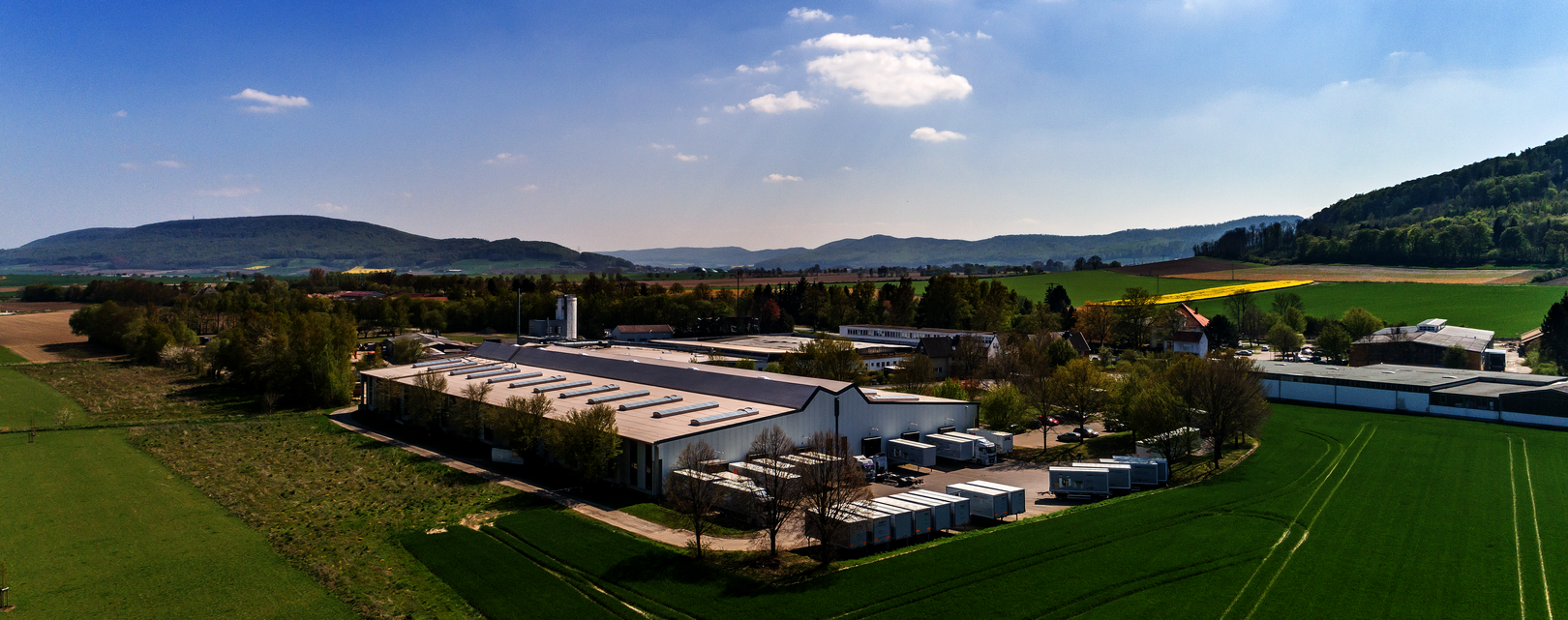
WINI has always focused on manufacturing high-quality, durable, and resource-efficient office furniture. Modularity and the thoughtful use of materials help conserve natural resources. Our daily operations are based on insights gained from decades of environmental management and comply with all environmental regulations. WINI products are made from materials that are easy to disassemble and recycle. It is only natural that WINI is FEMB LEVEL 3 certified.
More and more often, customers are demanding independent verification of the environmental characteristics of their office furniture—because verified standards give companies confidence in their decisions. Certifications prove that the relevant requirements and standards have been verified and met by an independent, accredited body. WINI is very well positioned in the areas of environmental protection and sustainability and holds multiple certifications. This is evidenced by the following certifications and awards: DIN EN ISO 14001, the European eco-audit EMAS III, the Blue Angel, the Lower Saxony Alliance for Sustainability “Wir sind dabei,” and “Sustainable Manufacturer” (Federal Association DIE VERBRAUCHER INITIATIVE e.V.).
Why LEVEL Certification?
In the office and commercial furniture sector, there is a wide variety of environmental labels. Often, these labels cover nearly identical criteria. However, most certifications address only a limited subset of the relevant sustainability criteria. As a result, even experts find it difficult to assess which combinations of environmental labels make sense. Against this backdrop, the FEMB sustainability standard and the European LEVEL certificate based on it were developed. LEVEL is the first European certificate to combine all relevant aspects of sustainability. Furthermore, the certificate is recognized even outside the European Economic Area. LEVEL certifications provide product developers, manufacturers, and customers with reliable transparency regarding the relevant sustainability aspects for the office and commercial furniture industry. LEVEL certifications are usually a prerequisite, particularly for large-scale projects and competitive bids.
Sustainability is multidimensional
The LEVEL certification process evaluates not only the product but also the production facilities and the organization. This goes beyond environmental aspects alone, as sustainable practices are defined more broadly today and also include social, health, and economic aspects. The voluntary LEVEL certification therefore evaluates sustainability across four impact areas or categories: “Materials,” “Energy and Atmosphere,” “Human and Ecosystem Health,” and “Social Responsibility.”
We want to keep getting better
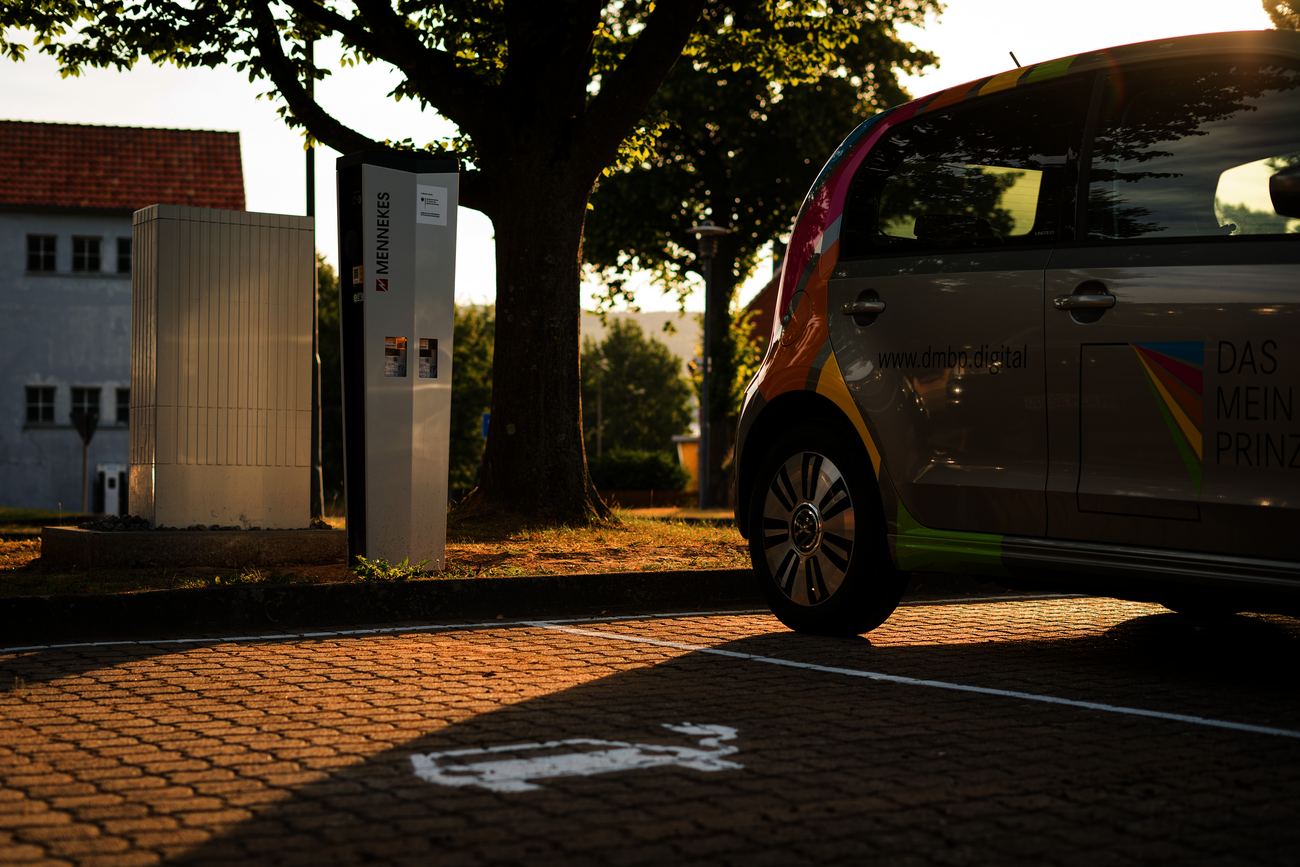
In the “Materials” category, WINI stood out for its traditional woodworking, the use of resource-efficient materials (e.g., avoiding PVC, die-cast coatings with eco-friendly powder coatings, emission-free backing materials, and more), as well as single-unit production. The latter is the hallmark of WINI Customizing—individualized, industrial manufacturing based on specific customer orders. In other words, no material-intensive production in advance without a prior order. In the “Energy and Atmosphere” category, the production process’s carbon footprint is key: All buildings are heated using wood chips generated during production, thereby largely eliminating the need for non-renewable energy sources. In the “Human and Ecosystem Health” category, WINI stands out, among other things, for avoiding harmful chemicals and continuously reducing the use of solvents when cleaning surfaces. In the “Social Responsibility” category, WINI’s special health and wellness programs are rated as sustainable, such as the highly ergonomic workstations, including those in the manufacturing area.

Let's talk about your office of tomorrow.

Let's talk about your office of tomorrow.
Hanna-Maria Greve
Planning & interior design
Quick Search
- WINEA FLOW – Desk
- WINEA ECO – Desk
- WINEA PRO – Desk
- WINEA FLOW MEET – Folding table
- WINEA FOUR – Desk
- TWISTER – Folding table
- WINEA STARTUP 2.0 – Desk
- WINEA TEAMS – Desk
- WINEA MAXX – Cupboard
- WINEA MAXX – Modular shelving unit
- WINEA MAXX – Pharmacy Cabinet
- WINEA MAXX – Lockers
- WINEA MAXX – Shelving unit
- WINEA MATRIX – Cupboard & Sideboard
- WINEA FLEX UP – Whiteboards & Workshop furniture
- WINEA VISTA – Media stand
- CONTAINER
- MEETING TABLES
- WINEA SLIM – Storage space
- WINEA ELEMENTS – Central zones
- WINEA SONIC – Acoustic wall
- WINEA SINUS – Acoustic wall
- WINEA X – Room divider
- WINEA FLEX UP – Room divider
- HYGIENE WALLS
- WINEA ID – Counter
- WINEA TOOLZ MYBOX – Storage space
- WINEA TOOLZ MYKIT – Storage space
- FIRE EXTINGUISHER COVER
- Workshop furniturel– for workshops & project spaces
- SARA Board – Board made from 100% waste wood
- WINI MOTION – innovative control element
- Service & Support
- Configurator
- References
- WINI News
Ansprechpartner*innen finden

Janina Richter
Salesteam

Dirk Dienst
Vertriebsteam

Das WINI Service-Team ist werktags
von 8 bis 16 Uhr persönlich für Sie da.

Robin Hau
Objektteam

Jürgen Jordan
Leiter Consulting und Architekt*innenberatung

Vanessa Veith
Marketing + Kommunikation