Circular Economy
The framework within which we think.
We develop furniture that doesn’t come to an end, but rather leads to a new beginning—designed with the cycle in mind, right from the very first line of the design.
Over 90% of the materials used in WINI office furniture are recyclable; the digital product passport (UPID) supports repair and reuse.

Environment
We reduce our resource consumption and use responsibly sourced materials whenever possible.
We minimize waste and emissions and optimize energy use and transportation routes for maximum efficiency. With every decision, we ask how we can measurably reduce our environmental impact.
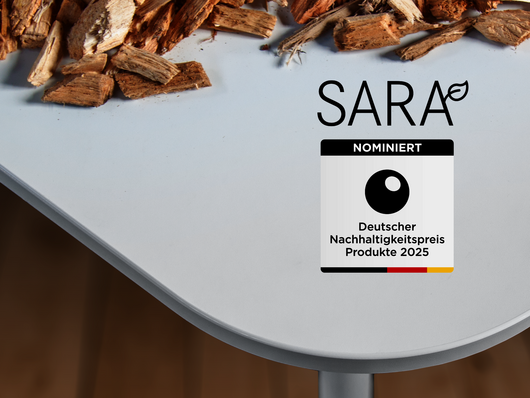
SARA particleboard is made from 100% recycled wood; WINI generates over 97% of its heating energy needs itself; and over 97% of its components come from the EU.

Social Issues
It’s about the people we work with and for every day.
We promote healthy, safe working conditions and ensure fair practices throughout the value chain. We structure our collaboration in a way that fosters respect, equal opportunity, and professional development. This applies to our own company as well as to our partners and suppliers.
Our framework is based on a Code of Conduct for suppliers and verified labor and quality standards (including Quality Office).

Cost-effectiveness
Because only sound decisions have a lasting impact.
We focus on quality, durability, and market-ready solutions that stand the test of time in everyday use. We consistently strive for transparent processes, reliable planning, and decisions that remain stable over the long term.
A 10-year warranty and long-term availability of replacement parts ensure a long service life and value retention.








EMAS is a European environmental management system. It requires companies to demonstrate verified environmental performance, provide transparent documentation, and pursue continuous improvement. Awarded to WINI by the Hanover Chamber of Industry and Commerce; initial registration in 20011, valid through September 30, 2030.
Quality Office is a quality certification for office furniture. It evaluates products based on requirements for safety, ergonomics, functionality, flexibility, durability, sustainability, and customer service. The Quality Office certifications for WINI are awarded on a product-by-product basis by the Quality Forum for Office Furniture.
WINI is certified to FEMB LEVEL 3—the sustainability standard of the European Furniture Federation (FEMB). LEVEL 3 is the highest level of the FEMB certification program and confirms that production, materials, social standards, and corporate governance meet the requirements of a verified sustainability management system. WINI is regularly certified by TÜV Rheinland according to FEMB Level 3 for specific product groups. The most recent certification took place in 2024.
The Blue Angel is a German environmental label. For furniture made of wood and wood-based materials, it designates low-emission products for indoor use and takes into account, among other things, environmental and health requirements. The “Blue Angel” environmental label is awarded to WINI on a product-specific basis by RAL gGmbH.
Health Promotion
Fit employees with Hansefit programs
~100% recycled packaging
We use recycled cardboard as our primary packaging material, along with paper tape. This allows for clean processing. The cardboard is cut to exact specifications on our own machine.
Backorder Guarantee
To ensure the longevity of our furniture, we guarantee a 10-year supply of replacement parts.
 More information
EV fleet
Continuous transition of the passenger car fleet to electric vehicles
Euro-6
Our fleet meets the Euro 6 standard
Packaging optimization
AI-powered packing and route optimization
> 90% waste separation
Our solid waste is sorted, collected, and disposed of
Work ergonomics
Ergonomic workstations for all employees
> 90% recyclable materials
On average, more than 90% of the materials used in our products are recyclable
Sustainability goals
A continuous commitment to reducing CO2 emissions in all areas of the company
≤ 0,1 watts
Power consumption of our motorized
sit-stand desks in standby mode
Promotion of ideas
Our employee suggestion program encourages creative ideas at all levels
Further development
A constant pursuit of innovation
Promotional materials
Gradual transition to promotional materials made from recycled or certified materials
Loyalty
High employee loyalty to the company
Energy-efficient
Roof surfaces with particularly good insulation to reduce heat input and output
Long-term warranty
10-year extended warranty for business customers
More information
UPID
Clear labeling of all products with a Unique Product Identifier (UPID)
Recycled steel
Increasing use of recycled steel
Customizing
The furniture components are assembled according to customer request and manufactured order-related: single-unit production
Decarbonization
Gradual reduction of fossil fuels
Energy self-producers
We generate >95% of our heating energy using wood chips
Space efficiency
Intelligent cutting optimization
Chipboard with recycled content
Chipboards with a high recycled content made from certified wood sourced from qualified suppliers and SARA chipboard, made from 100% recycled wood
More about SARA board
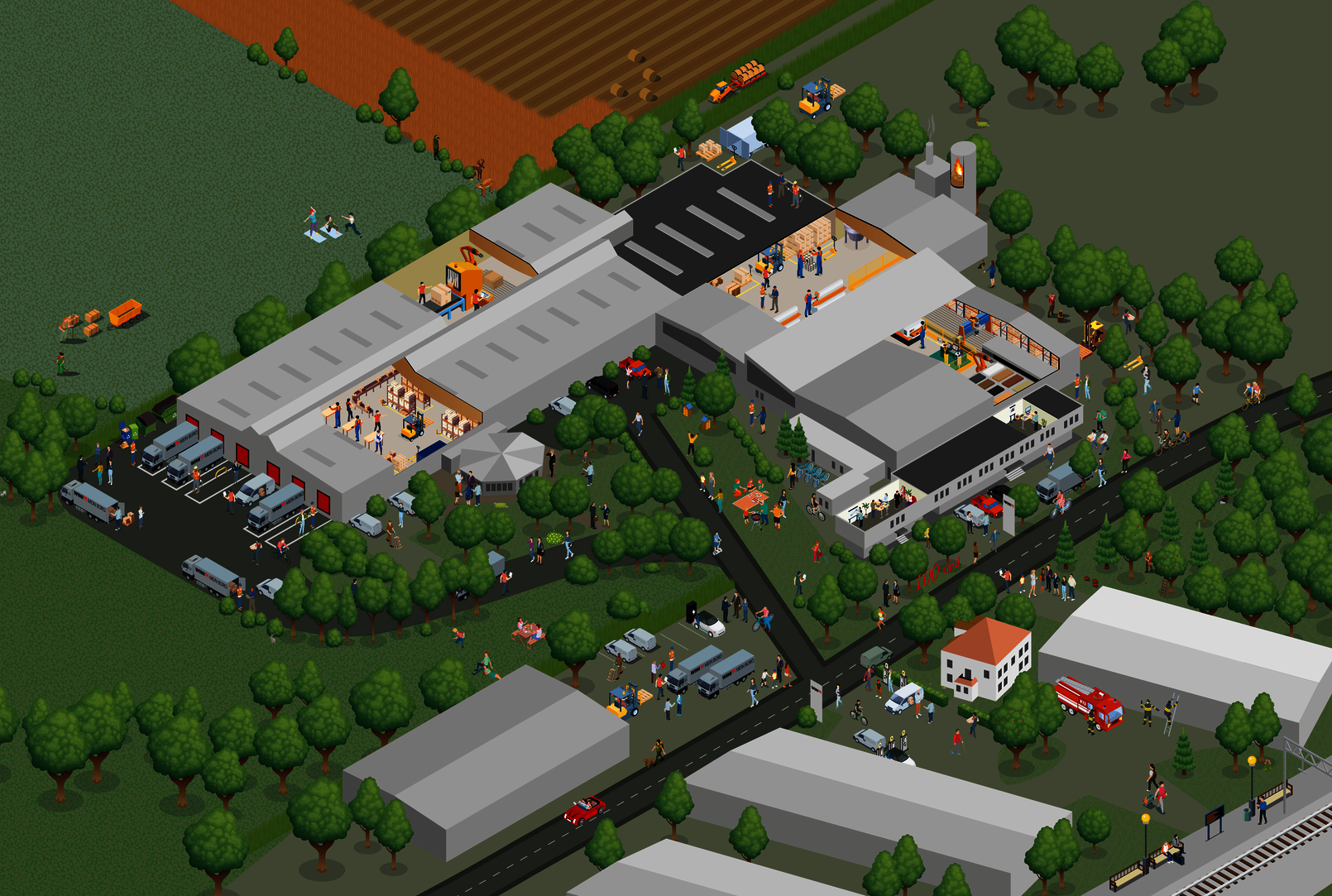
Company bees
Beekeeping for honey production on company grounds
Work-Life-Balance
Family-friendly employer
DIY-bike-spot
Outdoor DIY bike repair station for employees
Support & challenge
Apprenticeship, further training, internal training, e-learning platform
Substitution
We avoid environmentally harmful substances, whenever possible
Paperless office
Gradual reduction of paper consumption
in the administration
Digitalization
Digitalization as a way to conserve resources in administration
IMS
Integrated Management System
Delivered meals
Lunch and beverages for employees
Product development
Sustainable product strategy and development
of recyclable furniture
Loyalty in trade
Loyal trade partners
EV charging station
Public 50 kW charging station for electric cars
Conformity
We ensure compliance with legal requirements and the requirements of voluntary audits through our integrated management system
Family business
Family-owned for four generations since 1908
More about the company's history
Strengthening voluntary work
Exemption of employees from work for civil defense and fire department operations, as well as for civil defense training
EV charging station
Public 22 kW charging station for electric cars
WINI charging stations
7 charging stations for WINI electric cars
Public transportation
Marienau station is located directly on the company grounds
Life cycle management
Assembly, operation and disassembly instructions for maintenance and repair throughout the product's long life cycle, and the sorting of materials by type at the end of the life cycle
Go to the service page
Culture of collaboration
We maintain fair and cooperative relationships with our suppliers
Recyclability
Sorting of fabric waste by type
Social Engagement
Support for local clubs and organizations
GTC
Transparent terms and conditions of purchase
More information
Environmental report
Annual environmental and sustainability reporting
mehr zum Produkt
Cascade use
Our chipboard suppliers use our wood waste in the production of new chipboards and promote sustainable forest management
Automation
Fully automated chipboard storage system
Employee bicycle
Bicycle leasing for employees
CO2 accounting according to SCOPE
Recognize emissions. Take responsibility. Shape the future.
Go to the page
CoC
Supplier Code of Conduct
Go to the page
Company policy
Go to the page
SARA particleboard is made from 100% recycled wood and can be used in all WINI furniture pieces with tabletops or cabinet bodies.
We generate over 97% of our heating energy needs through our own power plant at the Marienau site.
More than 97% of the components used in WINI furniture come from suppliers within the European Union.
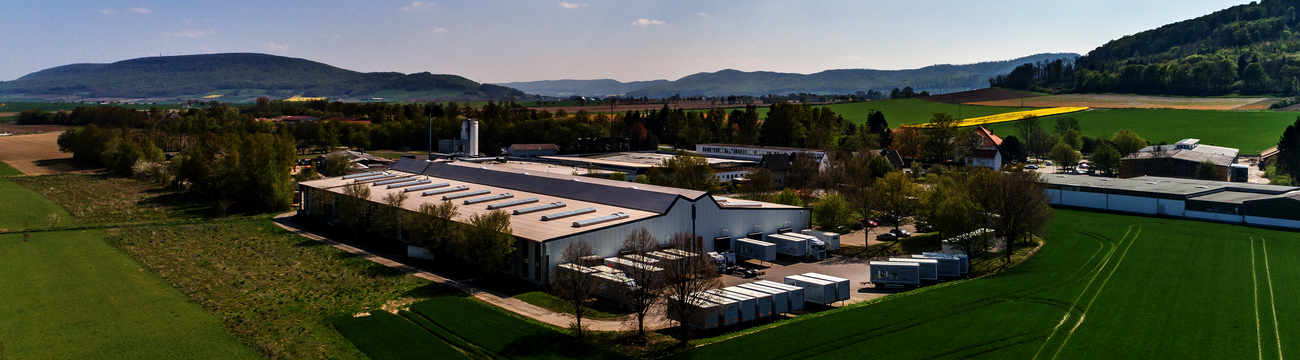
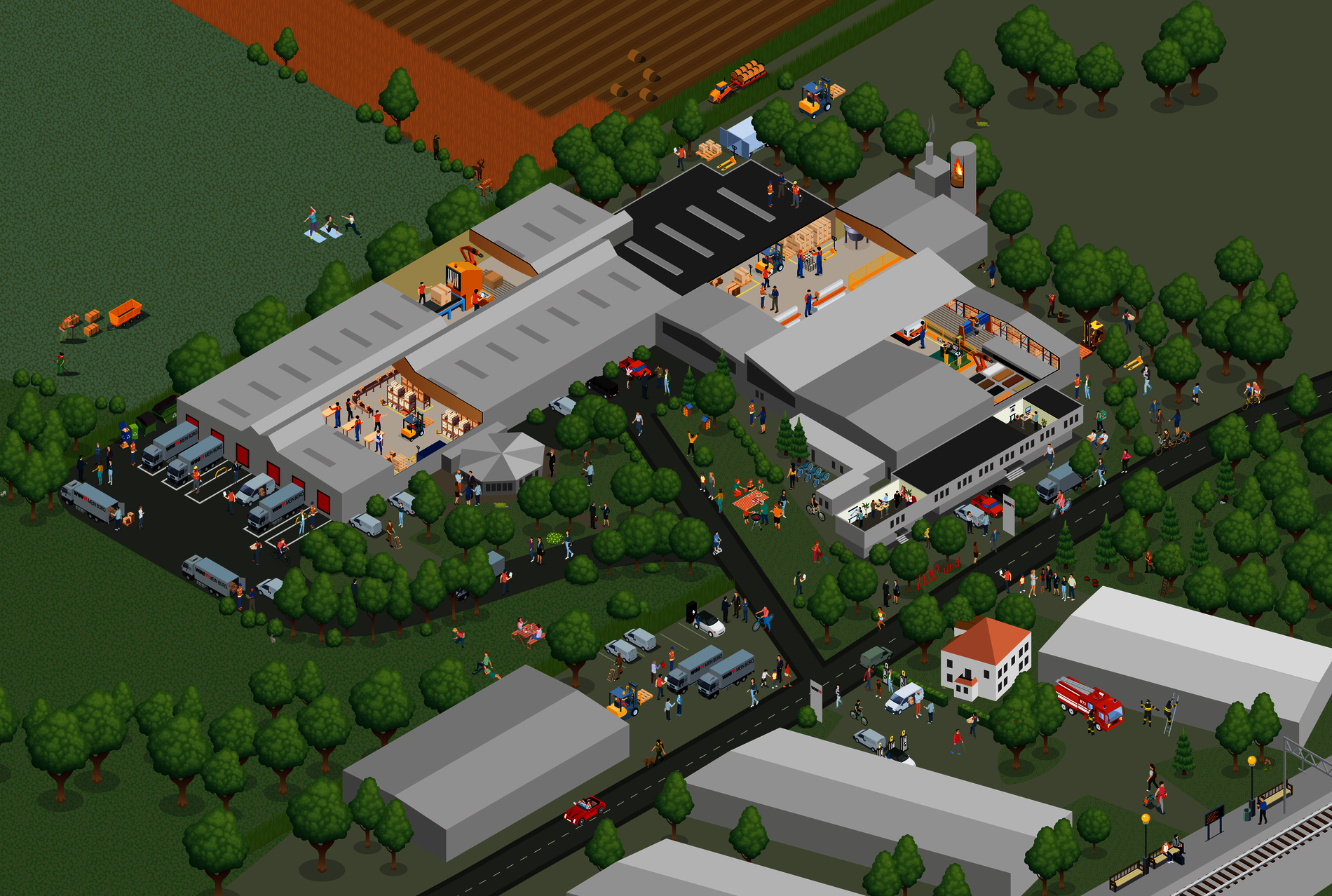
WINI manufactures all of its furniture 100% at its Marienau facility in Germany.
WINI offers customers a 10-year backorder guarantee on all products. It begins when a product is placed on backorder.
More than 90% of the materials used in WINI furniture are recyclable.
WINI was founded in 1908 and remains a family-owned business to this day.
Our journey begins where it isn’t immediately apparent: with the idea and design of a product. With materials, supply chains, energy, and emissions.
From an environmental perspective, we therefore ask first: What do we take from the environment? What do we give back to it? How can we conserve resources, reduce environmental impact, and make decisions that will still hold true in ten or more years?
We take responsibility for the entire value chain—from the raw materials we use, through manufacturing, transportation, and use, all the way to recycling. We don’t want to simply acknowledge environmental impact “at the end”; rather, we want to factor it in from the very beginning.
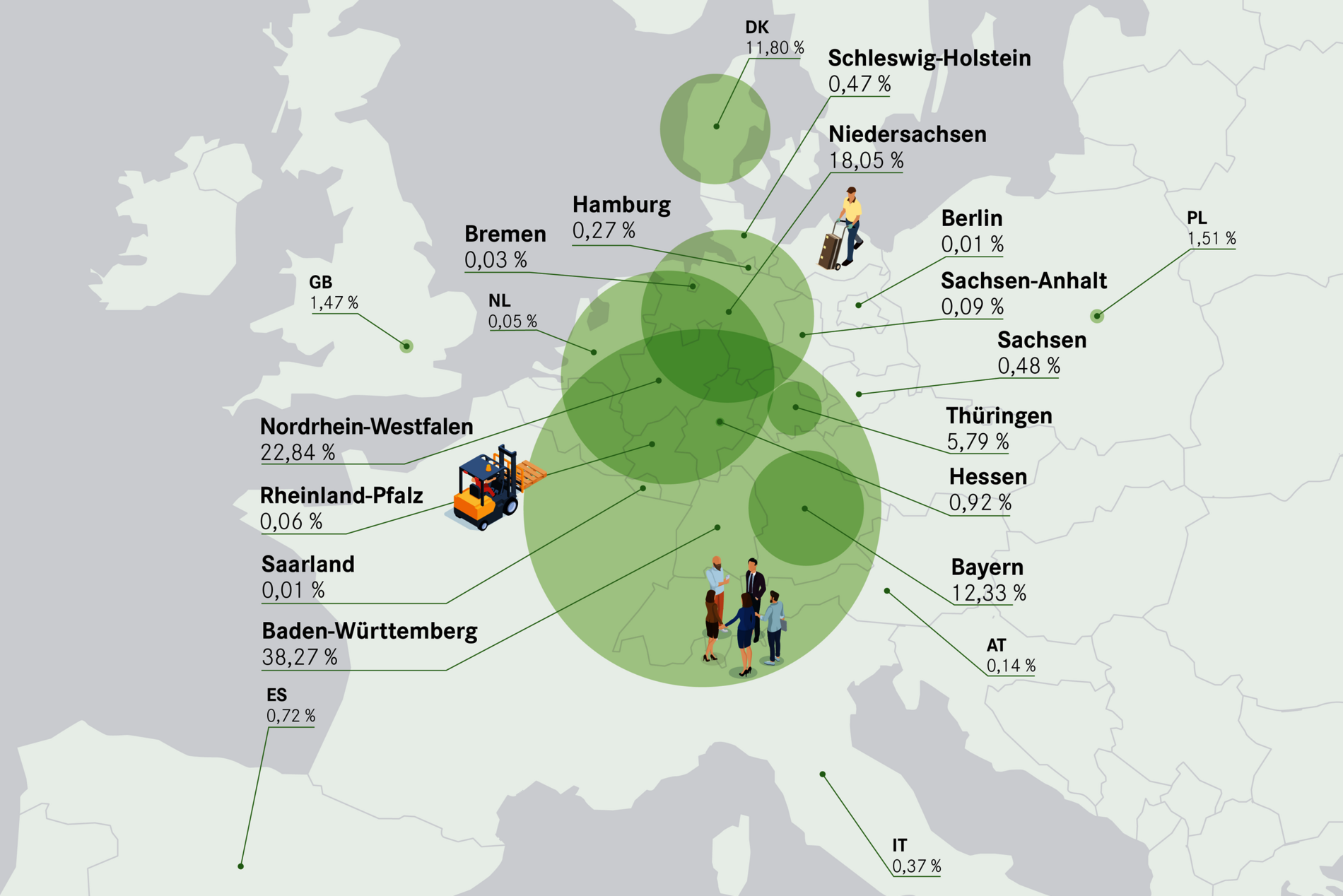
We source our raw materials in Germany
We source them from EU countries
are from non-EU countries (in this case, the United Kingdom)
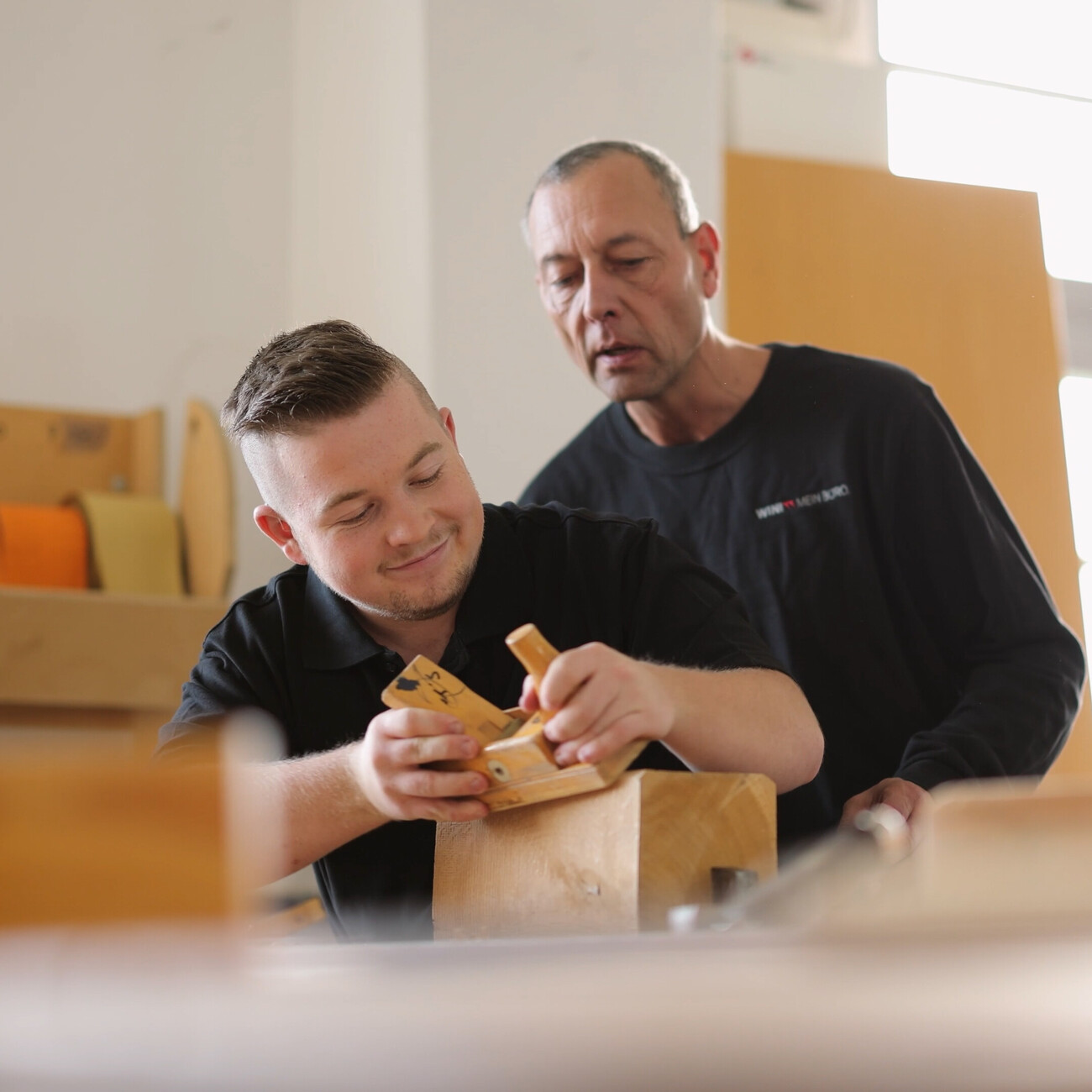
Along the way, there is a step where our philosophy takes shape. A conviction becomes a product. This is where sustainability becomes tangible: in the design, in the quality of craftsmanship, in the construction, and in whether the furniture can be repaired, whether parts can be separated, and whether components can be replaced.
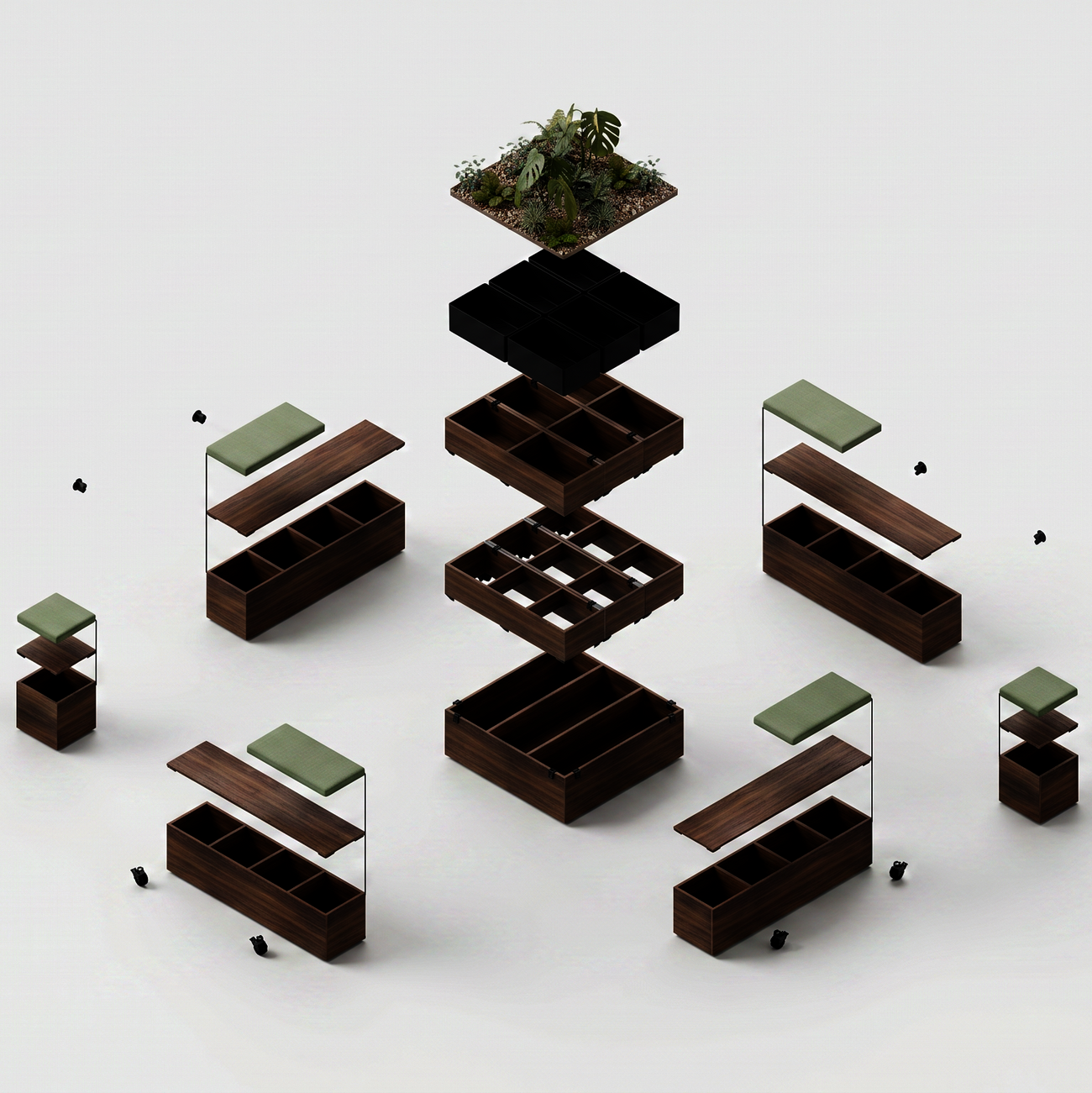
We’ve set ourselves the goal of creating circular furniture—that is, high-quality everyday items—designed so that they
- can be used for as long as possible, thanks to their quality and functionality
- remain as easy to repair as possible, since components can be repaired or replaced
- can be disassembled, and materials can be separated, reused, or recycled
We develop our furniture with its entire life cycle in mind, from the new product to the end of its life. The cycle doesn’t start with recycling. It begins with design.
Sustainability is always a social choice as well
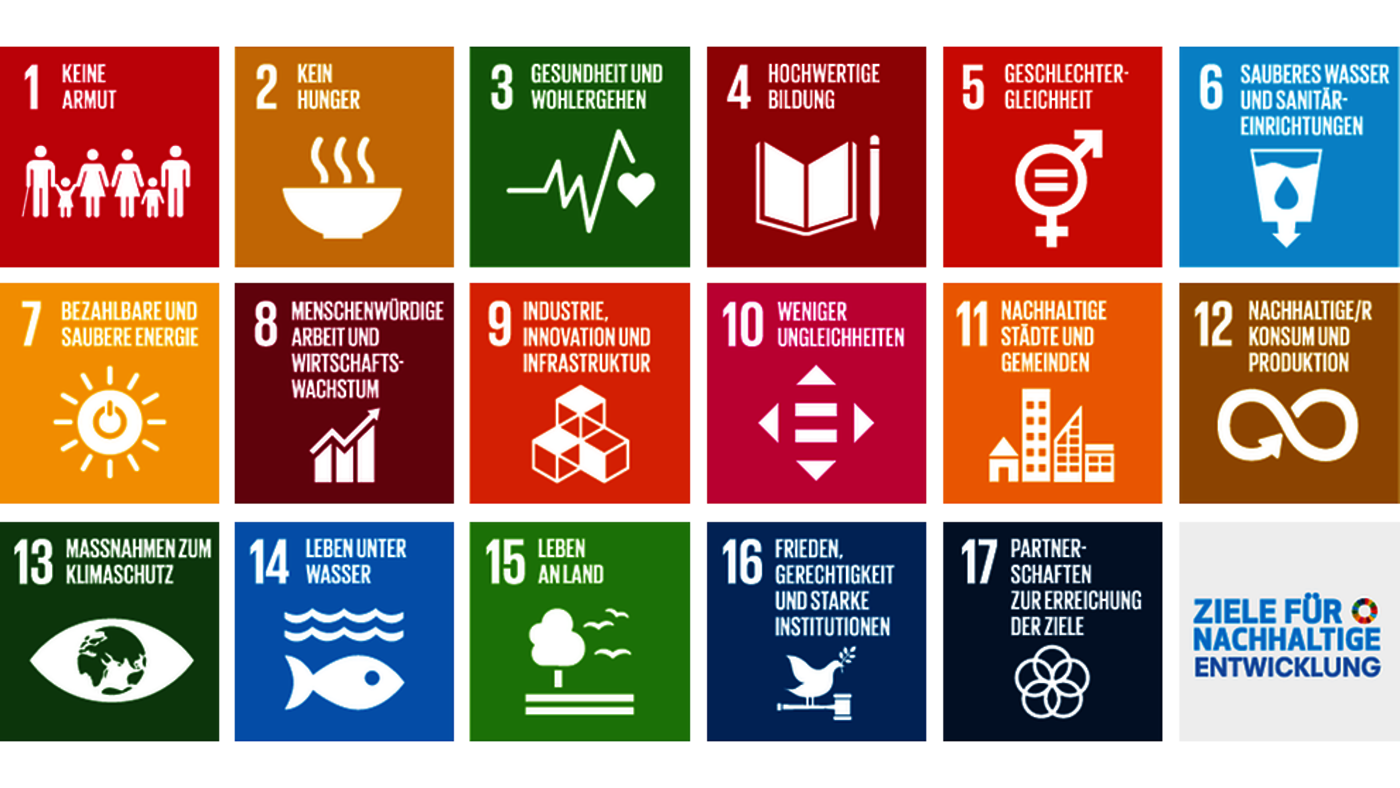
The social dimension of sustainability is evident in the responsibility we take for people—within our own company, throughout the supply chain, and in the context of use. The United Nations’ Sustainable Development Goals (SDGs)—fairness, health, education, equality, and decent work—serve as our guiding principles.
The WINI Values





“Our furniture is our greatest tool for promoting environmentally responsible action. If we manufacture recyclable products in a way that allows them to perform well in the market—that is, if they are also economically attractive—they will be widely adopted. Then our approach will gain traction, become the standard, and multiply the impact of our efforts.”
We view products as systems—modular, adaptable, expandable, and repairable.
- Furniture that lasts a long time conserves resources and saves money
- Processes that are efficient and transparent make improvements possible
- Decisions that are economically viable ensure that sustainability doesn’t end when things get tough
Sustainability is a matter of quality. The longer and better our furniture products can be used, the more positive the overall balance is. That’s why economic viability is the starting point of our discussion: Only what pays for itself can be sustained.
A Journey with Many Steps
A journey that begins anew every day and continues tomorrow.
To order replacement parts, please contact WINI Service. The product designation you’ll need for your request can be found on the nameplate—on tables, under the tabletop; on cabinets, on the inside. The 10-year spare parts guarantee for commercial customers ensures that WINI products can still be supplied with spare parts years after purchase.
WINI does not hold Cradle to Cradle (C2C) certification. However, WINI designs its furniture according to the principles of the circular economy: products can be disassembled, components are replaceable, and materials can be separated. More than 90% of the materials used are recyclable. Certifications such as FEMB LEVEL 3, EMAS, and the Blue Angel attest to the company’s sustainability performance in accordance with recognized standards.
The SARA panel is a particleboard made from 100% recycled wood waste. SARA stands for “Particleboard Made from Recycled Wood Waste.” The panel is PEFC-certified and meets the E05 standard. It is bonded without glue derived from animal-based materials; the panel is vegan. The SARA panel is available as an option for all WINI tabletops and cabinetry at no additional cost compared to conventional particleboard.
Yes. WINI voluntarily introduced the Digital Product Passport (DPP)—about five years before it becomes mandatory under the EU’s Ecodesign Regulation. Starting in early 2025, every piece of WINI furniture will feature a UPID NFC tag (Unique Product Identifier). On tables, it is located under the tabletop; on cabinets, it is attached to the inside. Scanning it with a smartphone opens the digital product file, which includes material composition, certificates, assembly instructions, and spare parts information. Further information: DPP at WINI
Our products are designed to last a long time. Their modular design allows individual components to be replaced without having to replace the entire piece of furniture. Commercial customers are covered by a 10-year extended warranty—which includes a full warranty covering installation and shipping costs for the first five years.
In this glossary, we provide brief, concise explanations of the most important terms and abbreviations related to the broad topic of sustainability. Is there something missing? Feel free to contact us, and we’ll add it to this glossary.
First, here are a few terms related to the circular economy based on the current definition in ISO 59004. This ISO standard aims to establish consistency in terminology as a foundation for further standards and laws. Therefore, in business communication, the terms from ISO 59004 should ideally be used when the goal is to communicate clearly and verifiably. (The original terms from the standard—which is currently available only in English—are shown in parentheses.)
- Circular Economy: Using resources efficiently, minimizing waste, and closing loops
- Circular System: A system with closed material and usage loops
- Sustainable Development: Development that balances environmental, social, and economic aspects
- Systems Thinking: Examining the interactions between all parts of a system
- Value Cycle: The entire life cycle of a product and its materials
- Circular Design: Design that facilitates repair, reuse, and recycling
- Design for Durability: Focus on robust, long-lasting materials
- Design for Repairability: Designing products so that they can be easily repaired
- Design for Disassembly: Easy breakdown into components
- Design for Reuse: Making products or components easy to reuse
- Design for Recycling: Selecting materials specifically so that they can be easily recycled
- Modular Design: Interchangeable and independent modules enable adjustments and repairs
- Material Cycle: The circulation of materials through use, processing, and reintroduction into production
- Secondary Raw Materials: Recovered materials used to make new products
- Biological Cycles: Organic materials that are naturally degradable and recyclable
- Technical Cycles: Industrial materials such as metals or plastics in technical cycles
- Material Circularity Rate: The proportion of recycled or reused materials
- Circular Performance Indicators: Metrics for measuring the circularity of a system
- Life Cycle Assessment (LCA): An evaluation of environmental impacts over the entire life cycle
- Environmental Footprint: Measurement of environmental impacts such as CO2, water, or resource consumption
- Circularity Maturity Level: The degree to which a company or system has implemented circular practices
- Avoidance: Minimize resource consumption and waste from the outset
- Reduction: Lowering material and energy consumption
- Reuse: Use products again without fundamentally altering them
- Repair: Restore defective items to working order
- Refurbishment: Upgrading a used product
- Remanufacturing: Industrial overhaul to a state close to that of a new product
- Recycling: Processing materials into new raw materials
- Recovery: Extracting valuable materials or energy from waste
- Cascading Use: Multiple uses of a material as its quality declines
- Shared Use (Shared Use / Sharing): Joint use of products by multiple users
- Lifetime Extension: Measures to extend a product’s useful life
- Circular Business Models: Business models focused on reuse, service, or take-back
- Product-as-a-Service (PaaS): Users pay for usage, not for ownership
- Leasing Model: The product is temporarily provided rather than sold
- Take-Back Program: Manufacturers retrieve products after use
- Reverse Logistics: Logistics processes for returning products or materials
- Value Chain Partners: Companies along the entire chain that collectively enable circularity
Preventing waste from being generated in the first place—for example, by using less packaging, choosing durable products, and repairing and reusing items. This is sustainable because it conserves raw materials, energy, and reduces CO2 emissions, while also lowering the environmental impact caused by disposal or recycling.
Bio-based plastics consist, at least in part, of renewable (mostly plant-based) raw materials. Contrary to popular belief, however, bio-based plastics are not always biodegradable. Starch (e.g., cornstarch), cellulose, or sugar can serve as the primary sources for bio-based plastics. Even plastics such as PE or PET, which are usually classified as petroleum-based, can be produced with a proportion of bio-based plastic. Moldable parts and transparent solutions are both feasible. Whether bio-based plastics are more sustainable depends on environmental objectives, the intended application, and the composition. In most cases, the raw materials are more readily available regionally and have a better carbon footprint; they are also generally more easily biodegradable when disposed of as waste. On the other hand, depending on the application, petroleum-based plastics may be more durable. Furthermore, there are such large quantities of petroleum-based plastic “in the world” that this resource cannot remain unused.
The circular economy is an economic model that aims to conserve resources and minimize waste. In contrast to the linear economic model, in which products are discarded after use, the circular economy seeks to recover a product’s raw materials at the end of its life so that they can be used as raw materials for the production of the next product. In this way, raw materials would circulate in a closed loop. Waste would be avoided, and the need for newly extracted raw materials would decrease, thereby protecting the environment from the environmental impacts associated with raw material extraction.
(English: “cradle-to-cradle”) The concept was developed by, among others, Michael Braungart (currently a professor of process engineering and chemistry at Leuphana University in Lüneburg), who also coined the term “eco-effectiveness” in this context. The goal is to be able to completely disassemble all individual parts of a product back to their original state and reuse them. The basic idea is that there is actually no such thing as waste in nature; rather, all materials are resources. The Cradle-to-Cradle principle is based on two complementary cycles: a technical cycle, in which materials can be recycled without any loss of quality, and a natural cycle, in which materials are repeatedly transformed into nutrients for new life through composting processes.
To ensure that every product can be reused in its entirety, a new production concept is needed; currently, we can reuse only a fraction of items because bonding, welding, and connections to other product components often make loss-free “deconstruction” difficult or impossible.
(English: “from cradle to gate”) A phase in the “life cycle analysis of a product,” for example in life cycle assessment. This phase ranges from the extraction of raw materials, through processing and product manufacturing, to delivery to the user. Subsequent impacts resulting from the use of the product or its recycling are not yet included.
(English: from cradle to grave) The cradle-to-grave cycle refers to an assessment that tracks the life stages of a product from the point of raw material procurement, through manufacturing and use, to the product’s disposal. In other words, it is “Cradle-to-Gate” expanded to include the two subsequent phases of a product’s use and disposal. In the so-called linear economy, “Cradle-to-Grave” describes the entire “life” of a product, including all its impacts on the climate, health, and the environment. However, if the choice of materials and the design of a product make it possible for the product not to be disposed of but instead to be completely broken down into its original raw materials for use in new products, a cycle is created: “Cradle-to-Cradle.”
The Corporate Carbon Footprint (CCF) describes the total amount of greenhouse gas emissions (including CO₂ emissions) generated directly or indirectly by a company’s business activities. The CCF provides companies with an overview of exactly where greenhouse gas emissions occur within their operational processes and value chain, and how high these emissions are. This enables companies to collect data that they can use to set reduction targets.
The acronym for the three sustainability-related areas of corporate responsibility: Environment, Social, and Governance. These include, for example, environmental pollution, workplace safety, and a company’s management and control processes. Unlike CSG, ESG places greater emphasis on measurable results from quantitative goals.
EUDR (European Union Deforestation Regulation) – EU Regulation
The consumption of and trade in wood-based raw materials and products must not contribute to deforestation and/or further degradation of forest ecosystems. The regulation takes effect on December 30, 2025; the final transition period ends on July 1, 2026. The affected products must be deforestation-free as of December 30, 2025. This means that, in the areas where the relevant raw materials are produced, no forests were converted into agricultural land, and no harvesting operations took place that are unsustainable and result in a reduction or loss of the biological or economic productivity and complexity of forest ecosystems.
FSC (certified wood source)
FSC-certified means certified by the Forest Stewardship Council. FSC is an international certification system for forest management. It is designed to ensure that wood and paper products come from forests managed according to strict environmental, social, and economic standards. In the office furniture industry, the FSC label indicates that the wood materials used come from responsibly managed forests and thus contribute to the promotion of sustainable forest management.
The Forest Stewardship Council was founded in 1993 by the environmental organization Greenpeace. FSC conducts audits based on internationally comparable standards it has established itself.
The ISO 59000 family of standards is a new series (2024) of international standards designed to establish a common understanding and provide consistent guidelines for implementing the circular economy within organizations. The goal of the circular economy is to preserve and use raw materials for as long as possible while maintaining the highest possible quality. This is achieved by redesigning products, services, and value chains, thereby reducing the demand for primary resources and increasingly meeting that demand with secondary resources.
The ISO 59000 family of standards currently consists of seven documents that define terminology, principles, and guidelines.
Act on Corporate Due Diligence in Supply Chains.
Companies must ensure respect for human rights throughout the entire supply chain. Key areas:
- Prohibition of child labor below the minimum legal age
- Prohibition of the worst forms of child labor
- Prohibition of forced labor
- Prohibition of slavery
- Compliance with occupational safety and health standards
- Prohibition of violations of the freedom of association
- Unequal treatment
- Fair compensation
- Prohibition of causing harmful soil degradation, water pollution, and air pollution
- Prohibition of unlawful eviction / confiscation of land, forests, and water bodies
- Prohibition / Deployment of Security Forces
Companies with 3,000 or more employees (corporations) were required to fully implement the Supply Chain Act as of January 1, 2023. As of January 1, 2024, this requirement applies to all companies with 1,000 or more employees.
The linear economic system is the currently dominant system based on the “take-make-waste” principle and differs from the circular economy in its lack of circularity. Raw materials are extracted, products are manufactured, sold, consumed, and then discarded. This results in raw material shortages, emissions, large volumes of waste, and associated environmental impacts.
Part of “non-financial reporting”
In Germany, larger companies are required to publish a sustainability report: those with total assets exceeding 20 million euros, revenue exceeding 40 million euros, more than 500 employees, and a capital market orientation, as well as banks, insurance companies, and fund management firms. Effective January 1, 2025: Expansion to all large companies (regardless of their capital market orientation) with 250 or more employees. Effective January 1, 2026: Expansion to small and medium-sized enterprises with ten or more employees if they are capital market-oriented. The sustainability report must be audited by a certified public accountant or a certified service provider. The format of the sustainability report is not clearly prescribed. It is recommended to follow best-practice standards that ensure the correct scope. This includes, among other things, EMAS III.
The sustainability report must also address social issues such as supply chain considerations. The topic of greenhouse gases (GHG)/CO2 must also be reported. The scope of this reporting depends on the materiality of the topic for the business. Starting in 2024, the sustainability report must be integrated as part of the management report. A separate sustainability report is permitted only in addition to this.
Topics covered in the sustainability report:
- Environmental topics: Climate protection, adaptation to climate change, conservation of water and marine resources, circular economy, prevention of environmental pollution, and preservation of biodiversity.
- Social issues: Ensuring equal opportunities for all employees, gender equality, creating safe working conditions with a good work-life balance, and respect for human rights.
- Governance issues: The role of the company’s administrative, management, and supervisory bodies (including with regard to sustainability matters), as well as anti-corruption and anti-bribery measures, the company’s political engagement, and any lobbying activities.
The Product Carbon Footprint (PCF) is the most widely accepted method for determining a product’s climate impact. Throughout a product’s entire life cycle—from raw material extraction to recycling or disposal—climate-relevant impacts arise in the form of greenhouse gas emissions. The carbon footprint is not limited—as the name might suggest—to carbon dioxide emissions, but also includes other greenhouse gases.
The climate impact of the various greenhouse gases is expressed in CO2 equivalents, since the gases have different global warming potentials.
- Methane (CH4)
- Nitrous oxide (N₂O)
- Hydrofluorocarbons (HFCs)
- Perfluorocarbons (PFCs)
- Sulfur hexafluoride (SF6)
- Nitrogen trifluoride (NF3)
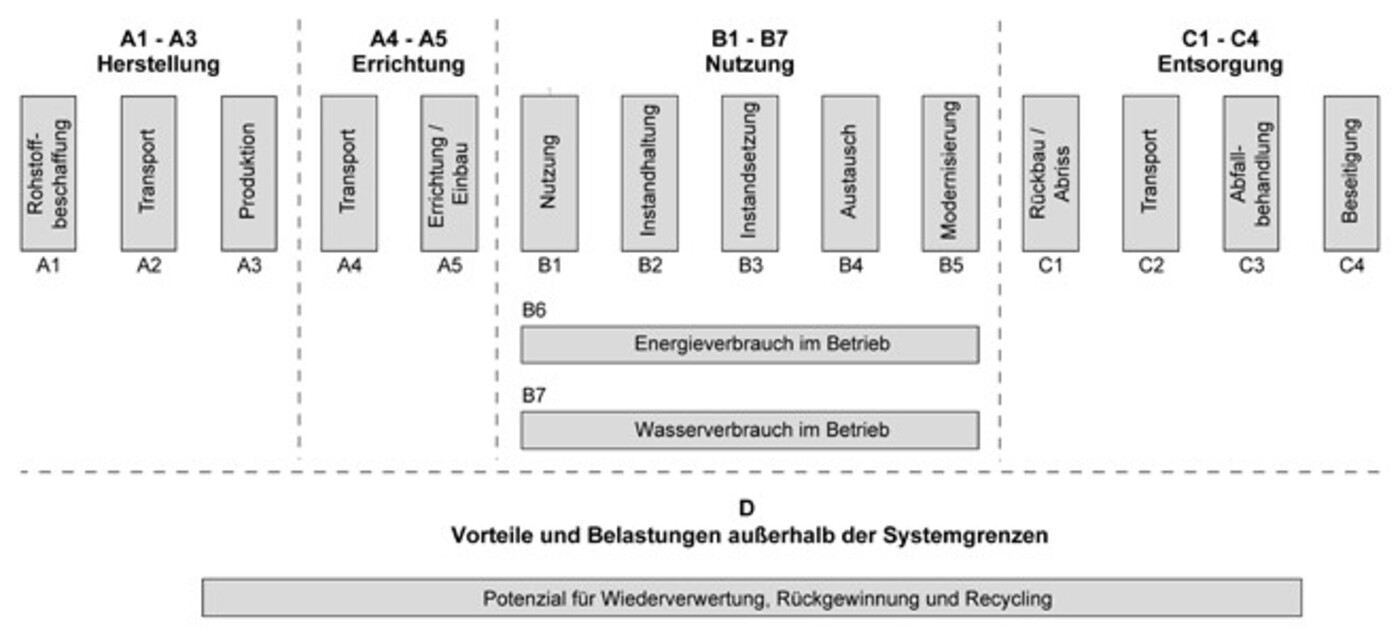
The life cycle assessment for a product can be examined for defined stages of the “product life.” In a linear economy, a product’s life spans from A1 to C4—that is, from the initial procurement of raw materials to the disposal of waste at the end of the disposal phase. In the circular economy, “waste” is defined as a nutrient for new products. For this reason, the potential for recycling is examined under D. Labeling the phases with standardized abbreviations facilitates the structuring of analyses and communication about them.
Certified Wood Source
PEFC certification stands for “Programme for the Endorsement of Forest Certification Schemes.” It is an international forest certification system that ensures wood and paper products come from sustainably managed forests. For the office furniture industry, this means that furniture bearing the PEFC seal comes from responsible sources, thereby promoting the protection of forests.
The PEFC initiative was founded in 1999 and has been active worldwide since 2004. PEFC verifies compliance with applicable ISO standards on a country-by-country basis.
The Product Category Rules (PCR) for office furniture are expected to be introduced in 2025/26. This is part of a project that establishes and tests methods for increasing the lifespan and recyclability of furniture. The PCRs provide basic rules for the environmental declaration of products and are crucial for the comparability and sustainability of office furniture.
According to the Greenhouse Gas Protocol, a company’s greenhouse gas emissions are categorized into three scopes:
- Scope 1: a company’s direct emissions, such as the CO2 emitted by a company’s vehicle fleet.
- Scope 2: Indirect emissions, such as those resulting from the energy used in production, which generate emissions during their generation.
- Scope 3: indirect emissions that are outside the company’s direct control, such as those from the supply chain.
The SEAQUAL INITIATIVE is a global community of NGOs, fishermen, researchers, scientists, government agencies, and private stakeholders. Together, they are committed to cleaning up the oceans, rivers and estuaries, beaches, and coastlines. Certified manufacturers use this seemingly useless waste to produce a high-tech yarn that is unmatched in terms of sustainability and resource efficiency: SEAQUAL® YARN. The QUEST fabric collection by Camira, used at WINI, consists of 75% SEAQUAL yarn.
In 2015, the international community adopted the 2030 Agenda, thereby establishing 17 global sustainability goals—the Sustainable Development Goals (SDGs)—for socially, economically, and environmentally sustainable development. The Agenda is a roadmap for the future designed to enable a dignified life for people worldwide while, at the same time, permanently preserving the natural resources on which life depends.
Greenhouse gases that contribute to climate change. Carbon dioxide (CO2) is just one of them. Some other greenhouse gases are more or less harmful to the climate than CO2. To facilitate comparison, the other greenhouse gases are converted to CO2 equivalents based on their differing climate impacts. The value is then expressed as CO2-eq (CO2 equivalent), as “equivalent to … kg of CO2.” (For more information, see also PCF)
TCPP is a phosphoric acid ester and is used as a flame retardant, including in fabrics. Since it is barely soluble in water and has been accumulating in the environment since around 1960 due to its widespread use over decades, it is considered potentially hazardous. (E.g., mentioned in the WINI OFML Newsletter 10/2023: Camira Replay … is free of TCPP)
An abbreviation and umbrella term for volatile organic compounds (VOCs) that evaporate into the air at room temperature (or higher) (and could have a negative impact on human health). Many of these substances are not harmful, but some can cause symptoms such as irritation, fatigue, headaches, etc. Formaldehyde, for example, is also classified as a VOC. VOCs can be produced, for example, by plasticizers in plastics, solvents in paints, flame retardants, mold inhibitors in cardboard packaging, and surfactants.
Waste Electrical and Electronic Equipment
The German Electrical and Electronic Equipment Act (ElektroG) stipulates that “placers on the market” of electrical appliances must register with the ear Foundation (Register of Waste Electrical and Electronic Equipment). This serves to identify them for controlled recycling processes. WINI is registered under WEEE No. DE32810288 as a supplier of electrically adjustable table systems. Suppliers of electrical components, such as LINAK and Bachmann, also have their own WEEE registration numbers. Due to the separate Battery Disposal Act (BattG), WINI has maintained the additional WEEE No. DE73030483 for this component since the introduction of battery-powered tables. The WEEE number is also listed on the environmental product data sheets for the series featuring the corresponding electrical components.
"Zero emissions" means that a process, product, or activity does not produce any direct emissions of pollutants or greenhouse gases (e.g., during the operation of a vehicle or a facility). From a sustainability perspective, this reduces the environmental impact and air pollution—provided that the underlying energy and supply chains are also as low-emission as possible.
We are happy to answer your questions. How can we support you?
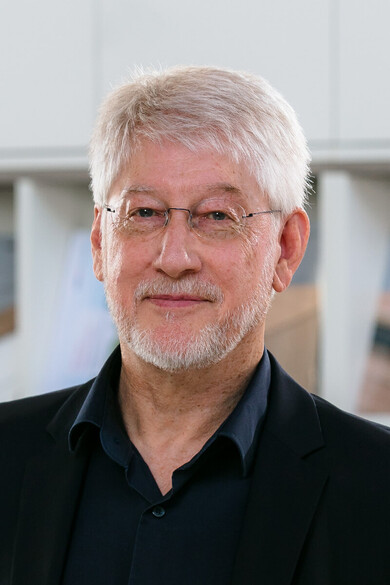
We are happy to answer your questions. How can we support you?
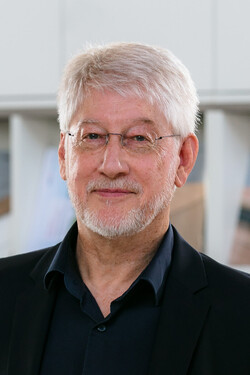
Jürgen Jordan
Head of Consulting and Architectural Consultancy
Quickfinder
- WINEA FLOW – Desk
- WINEA ECO – Desk
- WINEA PRO – Desk
- WINEA FLOW MEET – Folding table
- WINEA FOUR – Work table
- TWISTER – Folding table
- WINEA STARTUP 2.0 – Desk
- WINEA TEAMS – Table system
- WINEA MAXX – Cabinet system
- WINEA MAXX – Modular Shelving
- WINEA MAXX – Pharmacy cabinet
- WINEA MAXX – Locker
- WINEA MAXX – Tubular shelving
- WINEA MATRIX – Cabinet & sideboard
- WINEA FLEX UP – Workshop furniture
- CONTAINER
- BESPRECHUNGSTISCHE
- WINEA SLIM – Office storage
- WINEA ELEMENTS – Communication zones
- WINEA SONIC – Acoustic wall
- WINEA SINUS – Acoustic wall
- WINEA X – Panel system
- WINEA FLEX UP – Optical screening
- HYGIENEWÄNDE
- WINEA ID – Counters
- WINEA TOOLZ MYBOX – Storage
- WINEA TOOLZ MYKIT – Storage
- FIRE EXTINGUISHER COVER
- Workshopmöbel – Workshop furniture
- SARA Platte – Recycled board made from 100% waste wood
- WINI MOTION – innovative control element
- Service & Support
- Das MEIN BÜRO PRINIZIP
- Configurator
- References
- WINI News
- Careers•
Ansprechpartner*innen finden

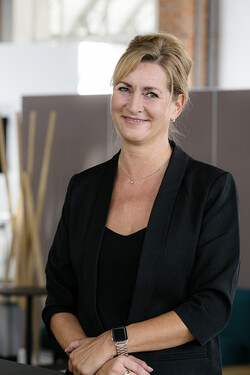
Janina Richter
Salesteam
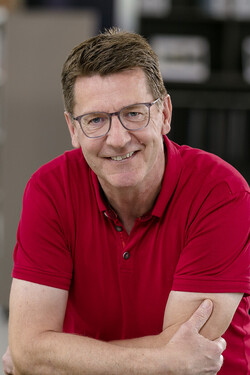
Dirk Dienst
Vertriebsteam

Das WINI Service-Team ist werktags
von 8 bis 16 Uhr persönlich für Sie da.
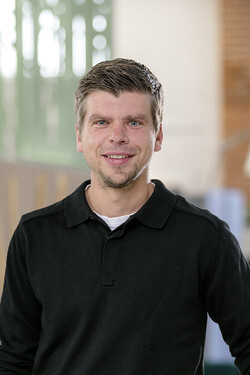
Robin Hau
Objektteam
Jürgen Jordan
Leiter Consulting und Architekt*innenberatung

Vanessa Veith
Marketing + Kommunikation