
How the Right Desk Supports Posture, Health, and Productivity
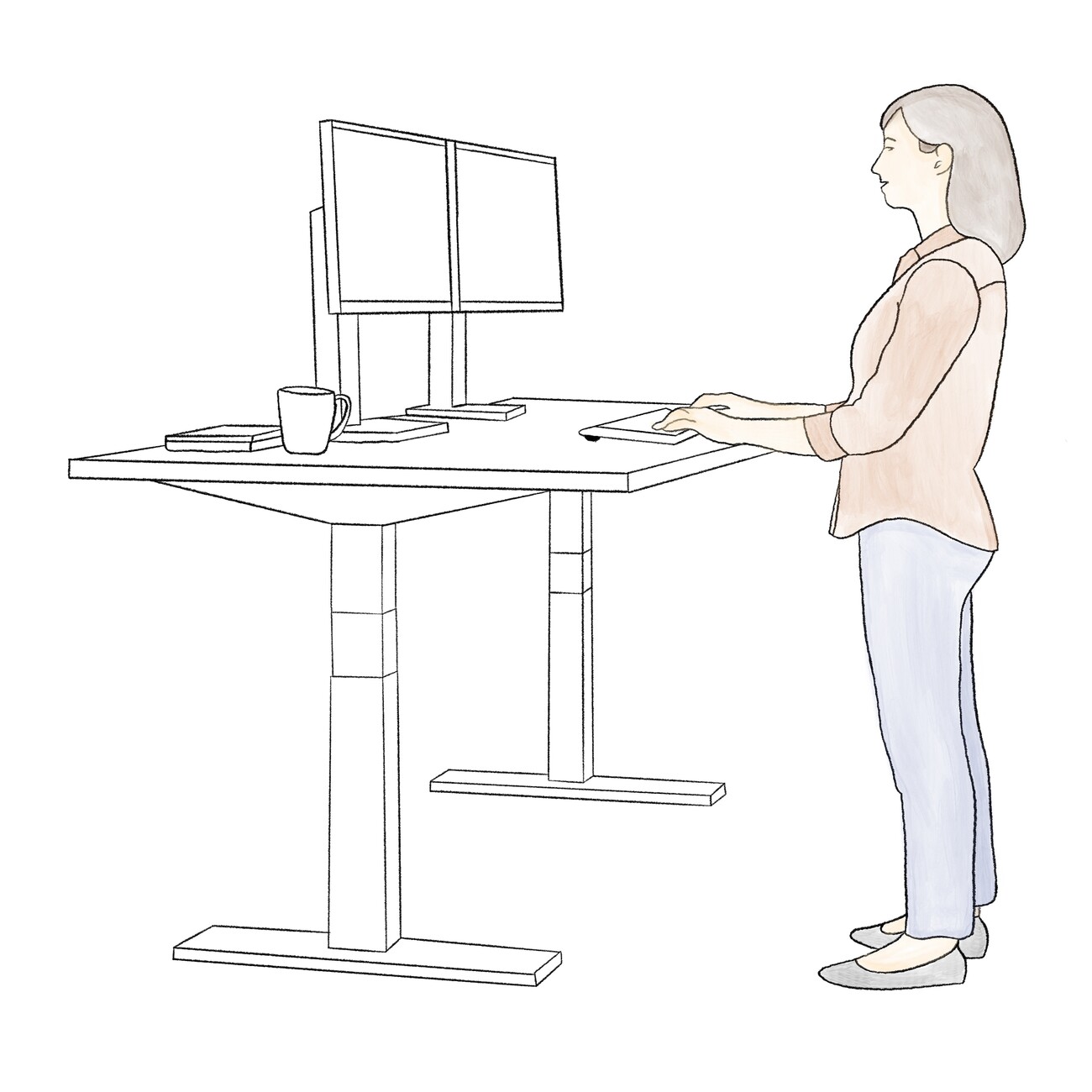
A good office desk is essential for an ergonomic workspace in a modern office, as it promotes good posture and helps prevent strain. A desk with the right height—ideally one that is height-adjustable—relieves pressure on the shoulders, arms, and spine and makes it easy to switch between sitting and standing. The desk should also provide ample legroom to ensure freedom of movement. Overall, an ergonomic desk like the WINEA STARTUP 2.0 from WINI helps prevent discomfort, maintain productivity, and support long-term health in the workplace during everyday office life.
Active Sitting, Staying Healthy: Ergonomics in the Workplace
A good computer workstation is the result of a combination of holistic office planning, ergonomic office furniture, and mindful posture at the desk. The foundation for healthy working is an ergonomic office chair that supports the spine’s natural S-curve, can be adjusted to individual body measurements, and encourages active sitting. This relieves strain on the back, neck, and joints and effectively prevents long-term back problems.
A high-quality swivel chair also encourages regular changes in posture, thereby significantly contributing to well-being, concentration, and productivity in daily work life, making it a central element of an ergonomically designed computer workstation in the office.
The screen as a key work tool
The monitor remains the most important tool and should be neither too small nor too large to ensure comfortable viewing. If the screen is positioned incorrectly, it can significantly strain the eyes and neck and impair concentration. The main screen should be placed in the center, while additional screens are positioned at a slight angle next to it to avoid frequent head turning. Additionally, ensure a sufficient viewing distance and proper screen height, with the top line of the screen roughly at eye level.
A glare-free orientation relative to windows and light sources further supports relaxed and focused work. Especially in modern offices and companies in Germany, where work is predominantly done at computer workstations, optimally adjusted monitors significantly improve ergonomics, visual comfort, and productivity in the workplace.
Using a keyboard, mouse, and office supplies ergonomically
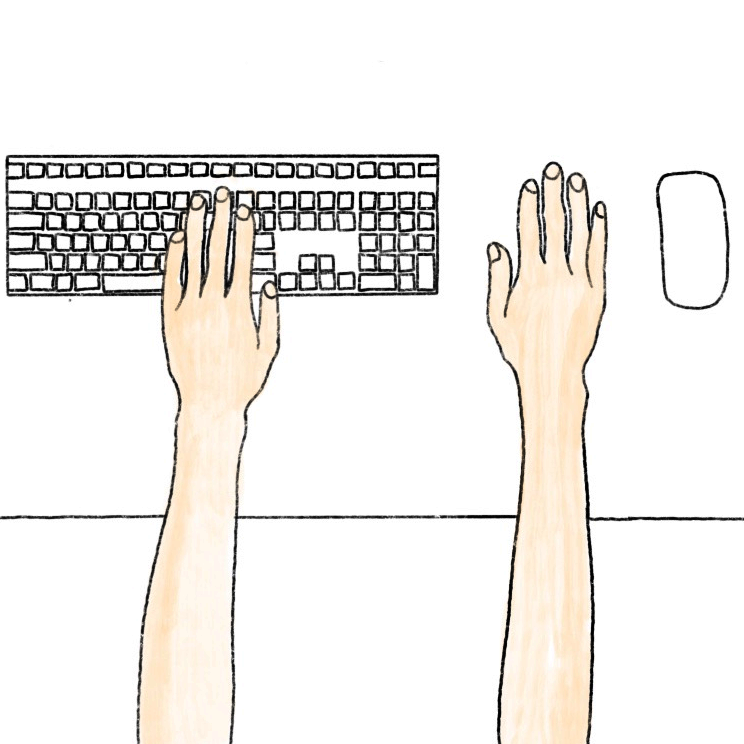
The arrangement of work equipment also has a significant impact on workplace ergonomics: frequently used items should be within easy reach to avoid unnecessary reaching and twisting motions. With storage accessories from WINI—such as WINI containers with integrated organizational modules for drawers and pull-outs, as well as complementary solutions for sideboards and cable management—work tools can be arranged in a structured and ergonomically sound manner. Ergonomic keyboards and mice support a natural hand and arm posture and help prevent strain on muscles, tendons, and joints.
In addition, the position of the keyboard and mouse should be chosen so that the forearms can rest in a relaxed manner. Thoughtful workplace organization with WINI storage accessories and a clear structure of the work surface contribute overall to optimizing workflows and reducing physical discomfort in the long term—an important component for ergonomic computer workstations in companies in Germany.
Indoor climate and acoustics for greater well-being
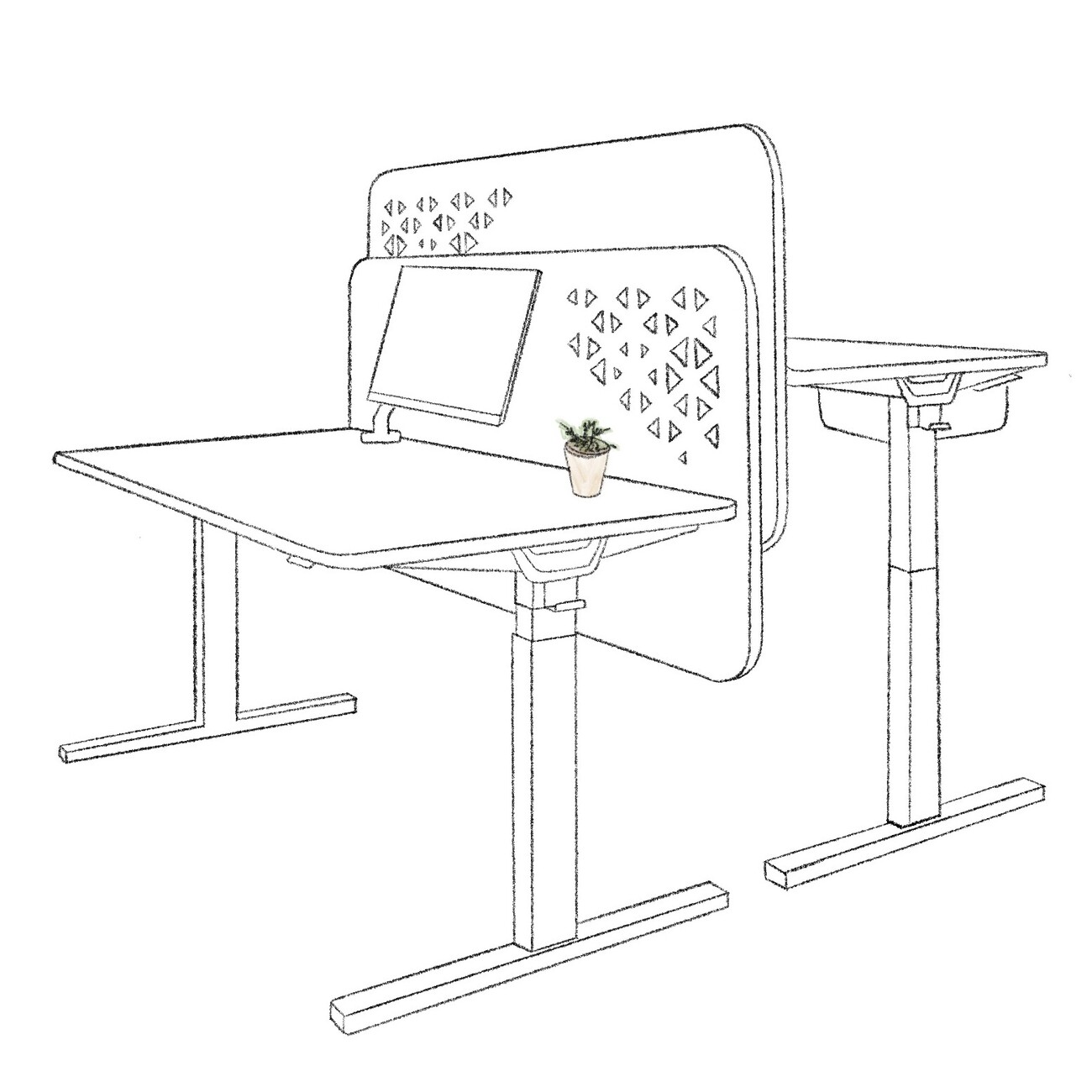
Good air quality in the office also contributes to well-being. Plants, regular ventilation, and sound-absorbing elements such as carpets or partitions help improve focus and create a pleasant working atmosphere. The WINEA SONIC acoustic partition optimizes room acoustics and creates acoustic and visual privacy for focused work in the office by reducing noise.
With WINEA FLEX UP, workstations or areas can be easily screened off to reduce distracting external stimuli and create quiet zones for focused work—ideal for open-plan offices and large open spaces in companies across Germany that want to offer their employees quiet zones for focused work.
Physical activity and active breaks at work
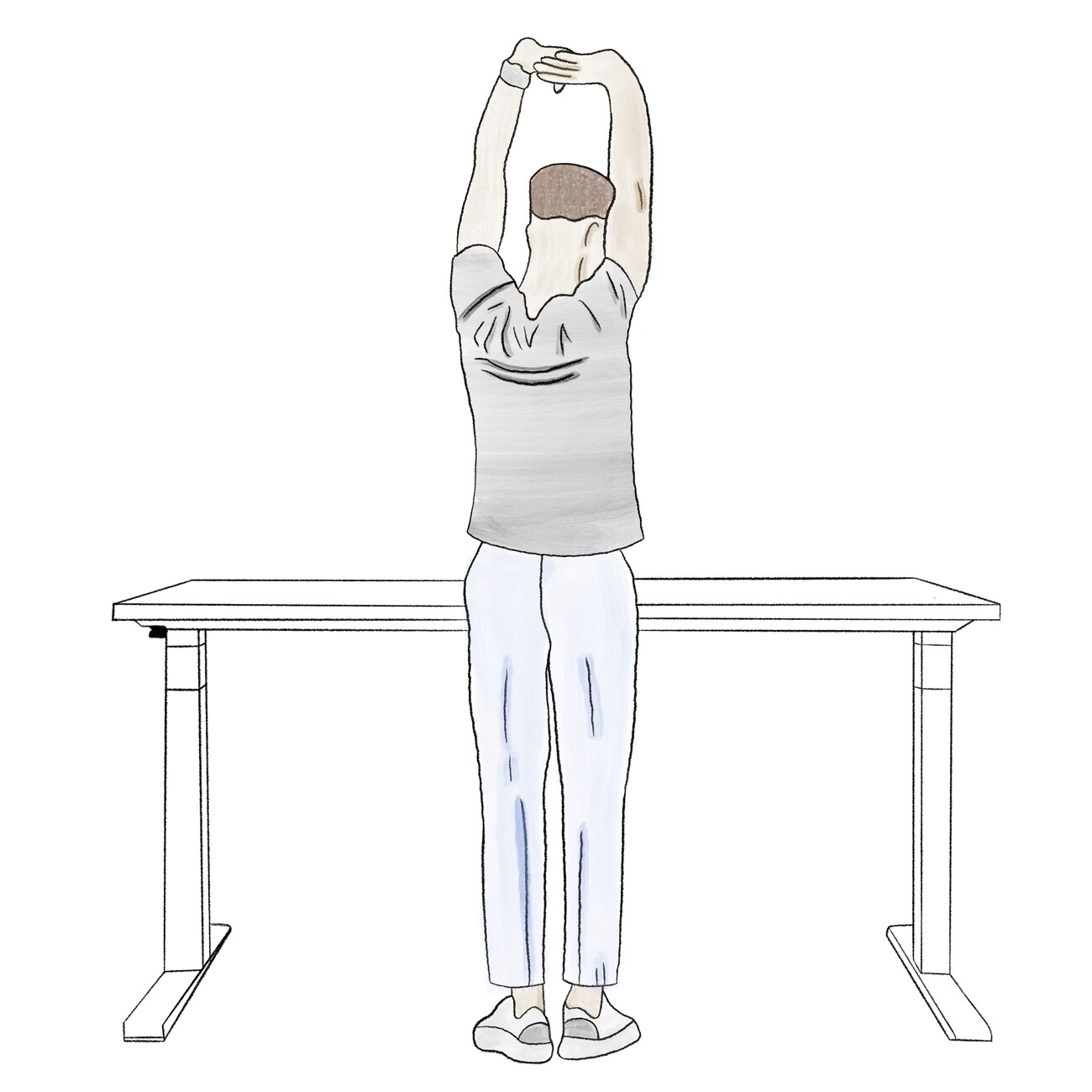
The final key factor is movement in the workplace. Even short walks during the workday or stretching exercises at your desk from time to time stimulate blood circulation and prevent muscle tension. By paying close attention to your body and consciously incorporating movement into your daily routine, you can prevent back, shoulder, and neck pain in the long term.
Regular changes in posture and short active breaks can be easily integrated into the workflow without compromising productivity, thereby ideally complementing the ergonomic design of the computer workstation in the office. Especially in companies in Germany, where work is predominantly done sitting at a computer, movement, dynamic work, and short breaks contribute significantly to the health, performance, and well-being of employees.
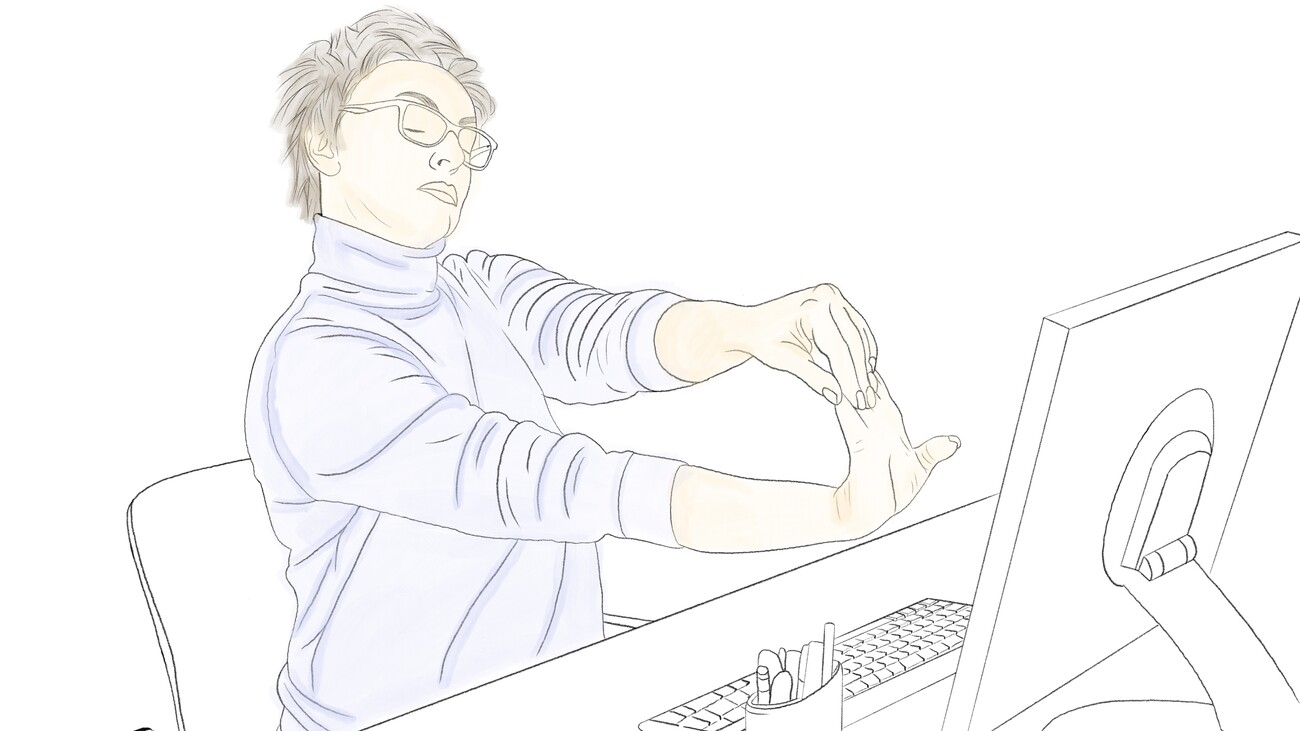
1.
Hand and Finger Stretches at Work
Extend one arm forward and gently bend your wrist downward. Use your other hand to grasp your fingers and gently pull them toward your body. Hold the stretch for 20 seconds, then switch sides.
This exercise loosens up your forearms and wrists and helps prevent tension caused by using a mouse and keyboard.
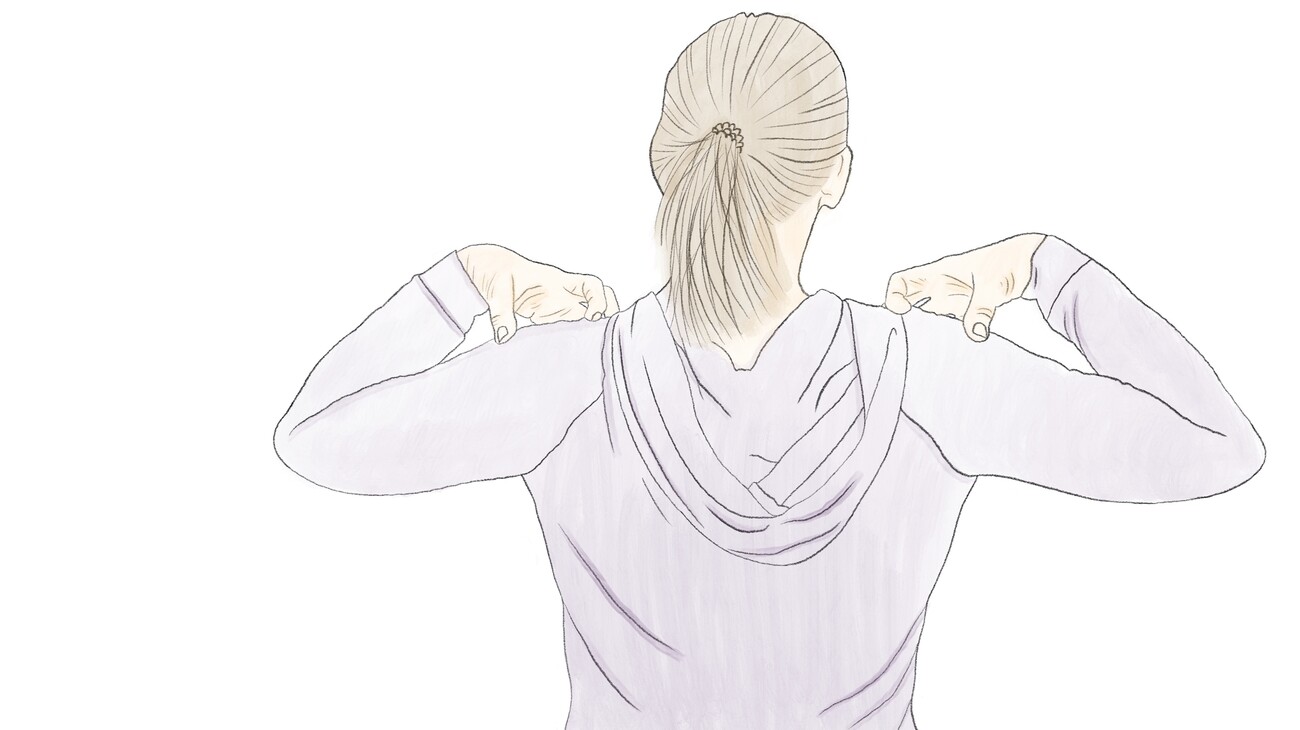
Shoulder circles to loosen up
Place your hands lightly on your shoulders and begin drawing large circles with your elbows. Move the circles slowly backward for 10 repetitions, then forward. Make sure your movements are calm and steady.
This exercise loosens up the shoulders, promotes blood circulation, and helps relieve tension in the neck and shoulder area.
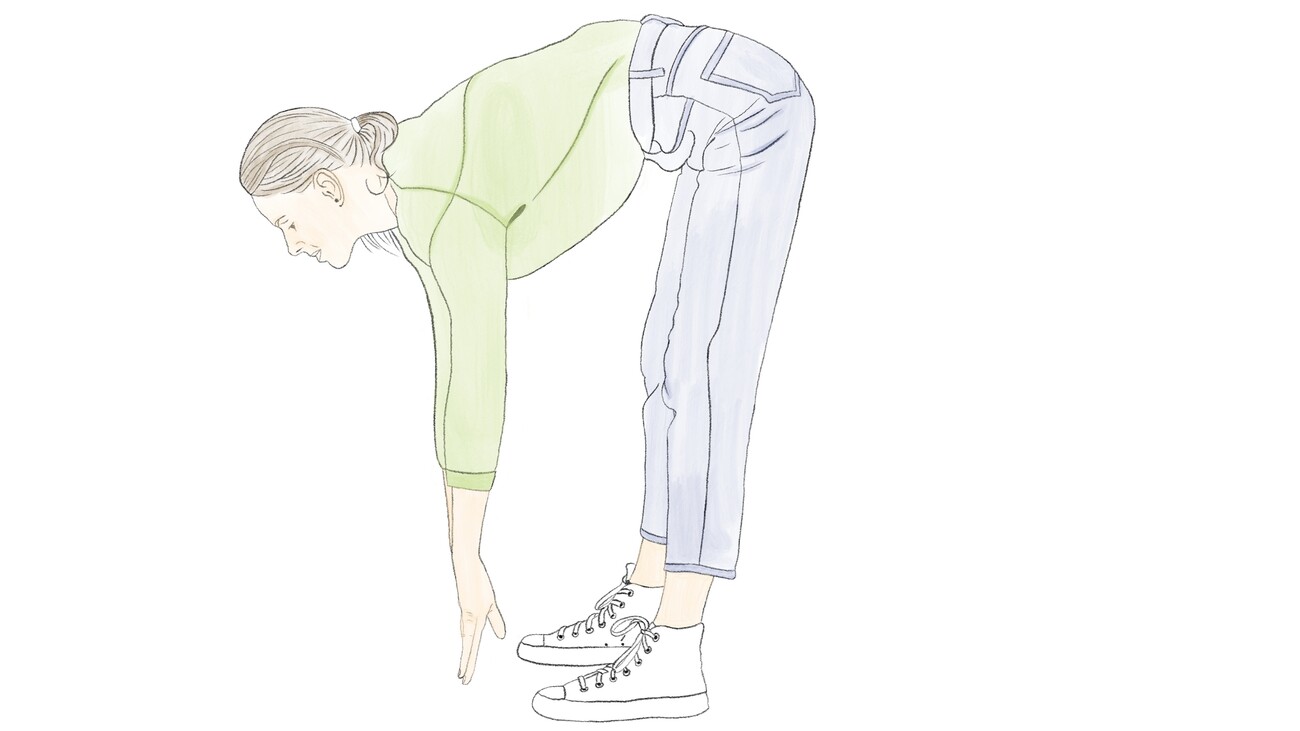
Stretching for the Back and Legs
Stand with your feet hip-width apart and slowly bend forward so that your upper body sinks toward the floor. Let your arms and head hang loosely. You can bend your knees slightly if that feels more comfortable.
Hold the position for 15–30 seconds and continue breathing calmly. This exercise loosens up the lower back, stretches the legs, and helps relieve tension after sitting at a desk for a long time.
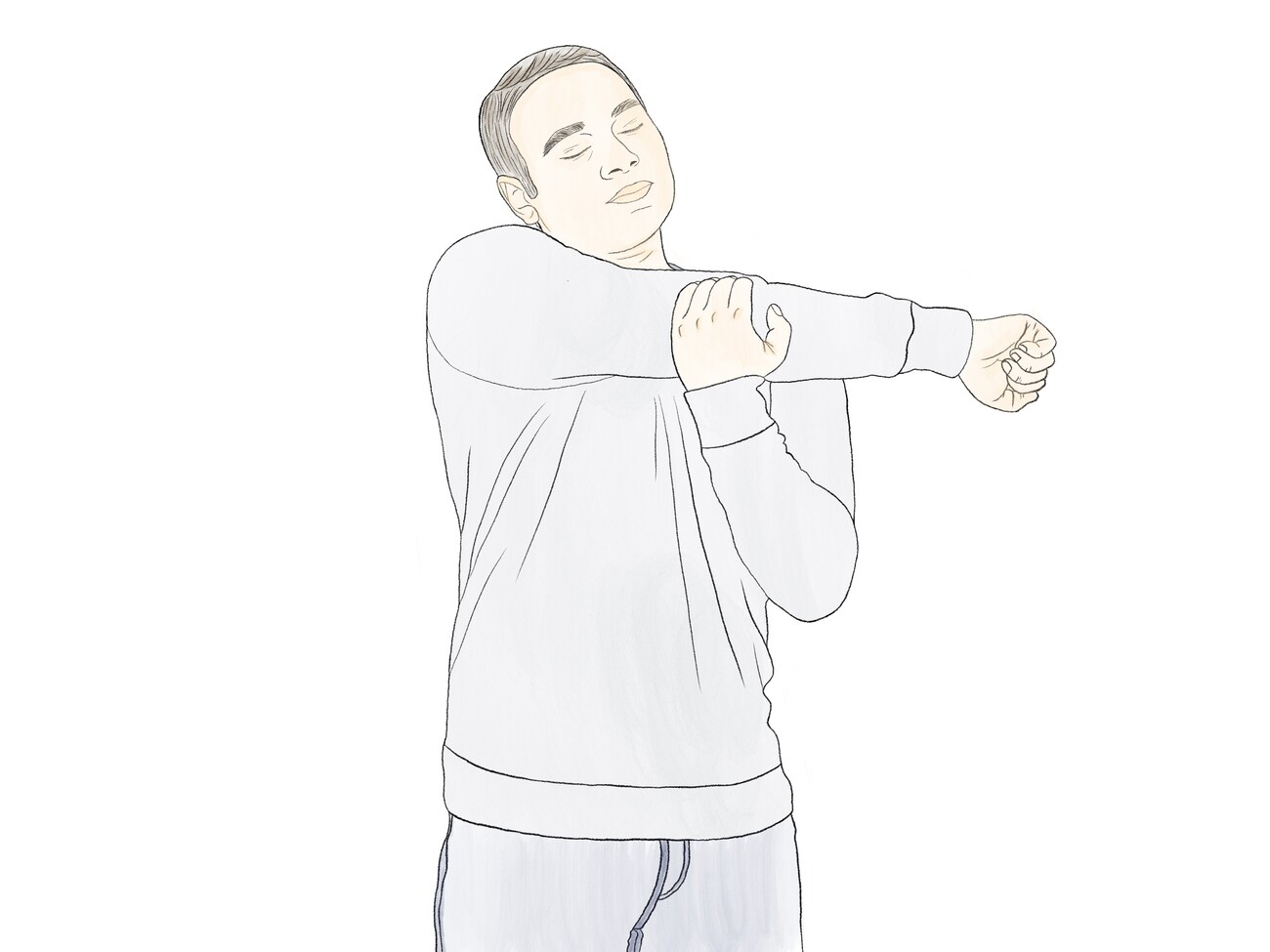
Standing Shoulder Stretch
Extend one arm straight out in front of your body and gently pull it toward your chest with your other hand. Make sure your shoulders stay relaxed and don’t hunch up. Hold the stretch for 30 seconds, then switch sides.
This exercise loosens the shoulder muscles, relieves tension in the upper back, and is ideal as a short exercise break.
Take a holistic approach to workplace ergonomics
A healthy and efficient computer workstation is always the result of the interaction of many factors: An ergonomic office chair and a suitable desk—ideally one that is electrically height-adjustable, such as the WINEA FLOW—form the foundation of ergonomic office workstations. These are complemented by properly positioned monitors, ergonomic input devices, and thoughtfully arranged work equipment. Equally important are a good indoor climate, pleasant acoustics, and clearly structured office areas.
When all of this is combined with regular movement, changes in posture, and active breaks, physical discomfort in the workplace can be effectively prevented, while well-being, concentration, and productivity are enhanced in the long term—a key prerequisite for modern, healthy computer workstations in companies across Germany.
Our customer service team is here to help you in a straightforward manner. With a 10-year replacement guarantee, we keep many spare parts in stock even after many years.
Yes. We specifically focus on materials with a high recycled content, especially wood-based materials, fabrics, and plastics. One example is the SARA panel, which is made from 100% recycled waste wood and can be used in all WINI tables and cabinets.
Yes. The digital product passport makes the sustainability of our furniture transparent—from material specifications to the carbon footprint. You can find more information about this in the blog post.
We are happy to answer your questions. How can we support you?
Quickfinder
- WINEA FLOW – Desk
- WINEA ECO – Desk
- WINEA PRO – Desk
- WINEA FLOW MEET – Folding table
- WINEA FOUR – Work table
- TWISTER – Folding table
- WINEA STARTUP 2.0 – Desk
- WINEA TEAMS – Table system
- WINEA MAXX – Cabinet system
- WINEA MAXX – Modular Shelving
- WINEA MAXX – Pharmacy cabinet
- WINEA MAXX – Locker
- WINEA MAXX – Tubular shelving
- WINEA MATRIX – Cabinet & sideboard
- WINEA FLEX UP – Workshop furniture
- CONTAINER
- BESPRECHUNGSTISCHE
- WINEA SLIM – Office storage
- WINEA ELEMENTS – Communication zones
- WINEA SONIC – Acustic wall
- WINEA SINUS – Acustic wall
- WINEA X – Panel system
- WINEA FLEX UP – Optical screening
- HYGIENEWÄNDE
- WINEA ID – Counters
- WINEA TOOLZ MYBOX – Storage
- WINEA TOOLZ MYKIT – Storage
- Workshopmöbel – Workshop furniture
- SARA Platte – Recycled board made from 100% waste wood
- WINI MOTION – innovative control element
- Service & Support
- Das MEIN BÜRO PRINIZIP
- Configurator
- References
- WINI News
- Careers•
Ansprechpartner*innen finden


Janina Richter
Salesteam

Dirk Dienst
Vertriebsteam

Das WINI Service-Team ist werktags
von 8 bis 16 Uhr persönlich für Sie da.

Robin Hau
Objektteam

Jürgen Jordan
Leiter Consulting und Architekt*innenberatung

Vanessa Veith
Marketing + Kommunikation